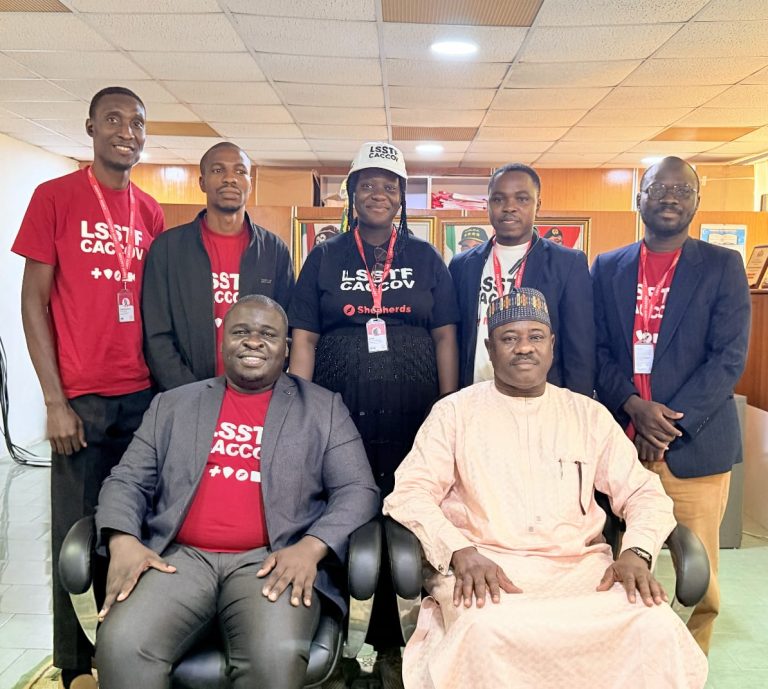
The Lagos State Security Trust Fund’s Campaign Against Crime, Cultism and Other Vices (LSSTF-CACCOV) has commenced a strategic partnership with the National Drug Law Enforcement Agency (NDLEA), Lagos State Strategic Command, to intensify preventive interventions against drug abuse and trafficking, particularly among young people and vulnerable communities. This partnership follows a courtesy visit of the LSSTF-CACCOV State Coordinator, Dr. Moses Oladimeji to the NDLEA Lagos State HQ. The meeting highlighted the growing recognition that Nigeria’s drug crisis cannot be defeated through enforcement alone. While arrests, seizures and prosecution remain essential to disrupting the supply of illicit substances, sustained public education, rehabilitation, community engagement and youth empowerment are equally important in reducing demand and preventing drug-related crime.
Speaking during the visit to the NDLEA Lagos Strategic Command, LSSTF-CACCOV State Coordinator, Dr. Moses Oladimeji, said the alarming volume of seized narcotics in Lagos underscored the urgent need for stakeholders to adopt a coordinated and preventive approach to the drug crisis.
Oladimeji, who recalled attending an NDLEA event where drugs worth more than ₦3.1 billion were destroyed, said the experience compelled him to reflect on the scale of drug trafficking and its implications for public safety. “When you see the amount of drugs that was piled up to be burnt, you begin to ask yourself: where are these things coming from, and how are we going to solve this issue? It shows that this problem is a major one for us, and we have to address it,” he said.
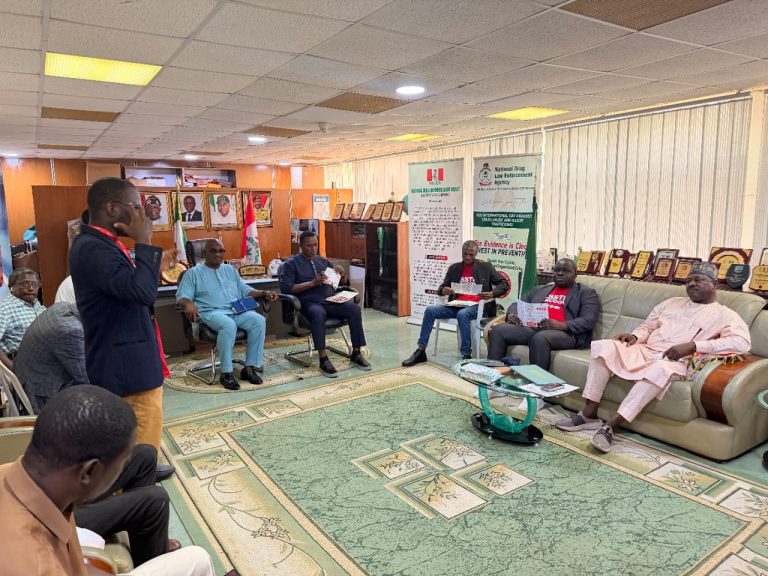
According to him, drug abuse is closely connected to insecurity, violent crime, cultism and the erosion of young people’s potential. He maintained that the drug war must extend beyond enforcement operations to include deliberate efforts to change attitudes, strengthen awareness and provide young people with healthier alternatives.“If the issue of drugs can be tackled, then the issue of insecurity and crime will be reduced to the barest minimum. That is why we must take these messages to every nook and cranny—schools, campuses, communities, motor parks and other places where young people gather,” Oladimeji stated.
He disclosed that LSSTF-CACCOV, since its establishment on February 28, had taken its preventive campaign to institutions including Yaba College of Technology and the Federal College of Education (Technical), Akoka, where more than 3,000 students were reached through sensitisation and engagement activities. Oladimeji explained that the initiative’s non-kinetic approach was rooted in empathy, education and meaningful relationships rather than condemnation. He called for closer collaboration with the NDLEA, including the participation of its personnel in LSSTF-CACCOV programmes and the identification of rehabilitation success stories that could inspire others to seek help and embrace recovery.
Another significant issue raised during the meeting was the need to incorporate rehabilitation success stories into the joint advocacy efforts of LSSTF-CACCOV and the NDLEA. Oladimeji proposed that individuals who had successfully overcome drug addiction through NDLEA-supported rehabilitation programmes could be identified and their recovery journeys documented and shared with the public. He explained that presenting such stories, including at the LSSTF Town Hall Meeting attended by key stakeholders, would demonstrate the transformative impact of rehabilitation, encourage others battling addiction to seek help and strengthen public confidence in the NDLEA’s interventions. According to him, showcasing even five or more recovery stories through a formal partnership would help draw greater attention to the agency’s work and reinforce the message that recovery is possible with the right support, professional care and sustained commitment.
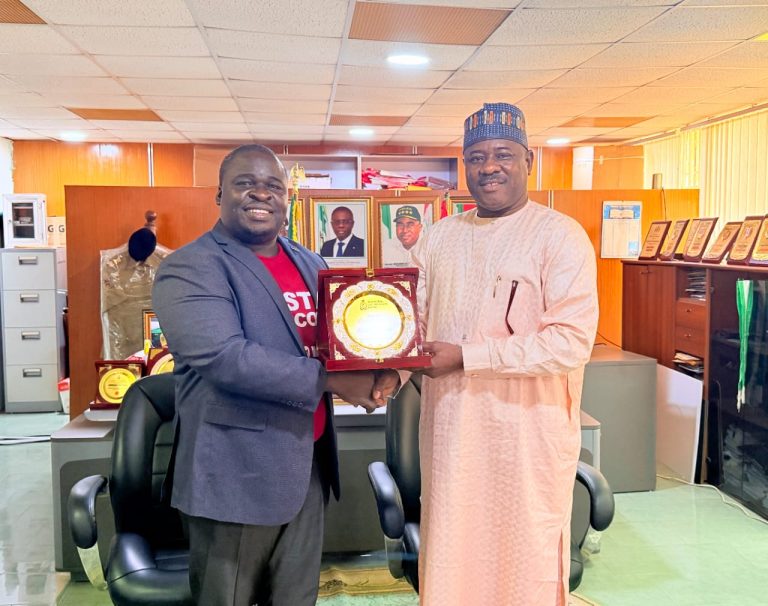
Responding, the Commander of the NDLEA Lagos Strategic Command, Assistant Commander General of Narcotics (ACGN) Abubakar Liman Wali, welcomed the delegation and explained that Lagos had been upgraded from a state command to a strategic command under the leadership of the agency’s Chairman and Chief Executive Officer, Brigadier-General Mohamed Buba Marwa (retd.).
Wali said the decision reflected Lagos’ strategic position as Nigeria’s commercial hub, with major seaports, airports and border routes through which illicit substances could enter the country. “Looking at Lagos as the commercial hub, with a lot of seaports, airports and border ports, and the bulk of drugs coming through these routes, the Chairman, Brig. Gen. Mohammed Buba Marwa (retd), deemed it necessary to upgrade Lagos State to a Strategic Command headed by an Assistant Commander General of Narcotics,” he explained.
The Commander said that addressing drug trafficking in Lagos would have significant implications for the wider national drug-control effort. “If we are able to solve the problem of drug abuse and trafficking in Lagos, almost 90 per cent of drug abuse in this country will be addressed,” Wali stated.
He also explained that the NDLEA under Marwa had expanded its focus beyond arrests and prosecution to include prevention, sensitisation and rehabilitation. According to him, the agency’s mandate comprises two interconnected dimensions: supply reduction through enforcement, seizures, arrests and prosecution, and demand reduction through public education, prevention and recovery support. “Before the coming of the present Chairman, what NDLEA had done was largely to arrest, prosecute and carry out enforcement activities. But now, we are into sensitisation, rehabilitation and prevention. That is the aspect he has given priority,” Wali said.
He stressed that prevention was more economical and sustainable than waiting until individuals became addicted. “Prevention is less costly. When somebody becomes addicted, you will spend more. But with a little awareness, people can be educated about the implications of what they are taking,” he stated.
Wali acknowledged the operational challenges confronting the Command, revealing that Lagos had only six functional NDLEA operational vehicles, three of which were provided through the Lagos State Security Trust Fund. He appealed for continued institutional support to improve patrol operations, intelligence sharing and community-based interventions.
He further encouraged LSSTF-CACCOV to collaborate with the agency on campus security training, school administrators, counsellors, psychologists and student-led advocacy clubs. He noted that young people were often more receptive when preventive messages were delivered by their peers. The Commander disclosed that each NDLEA area command in Lagos was expected to conduct at least 10 sensitisation programmes monthly across schools, faith-based organisations, communities and marketplaces. He invited LSSTF-CACCOV personnel to participate in the activities, describing the partnership as an opportunity for both organisations to share expertise and expand their reach.
The engagement reinforced the urgent need for Nigerians to treat drug abuse as a shared public health, security and development challenge. Families, schools, religious institutions, communities, government agencies and civil society organisations must build sustained systems of prevention, early intervention, rehabilitation and reintegration.